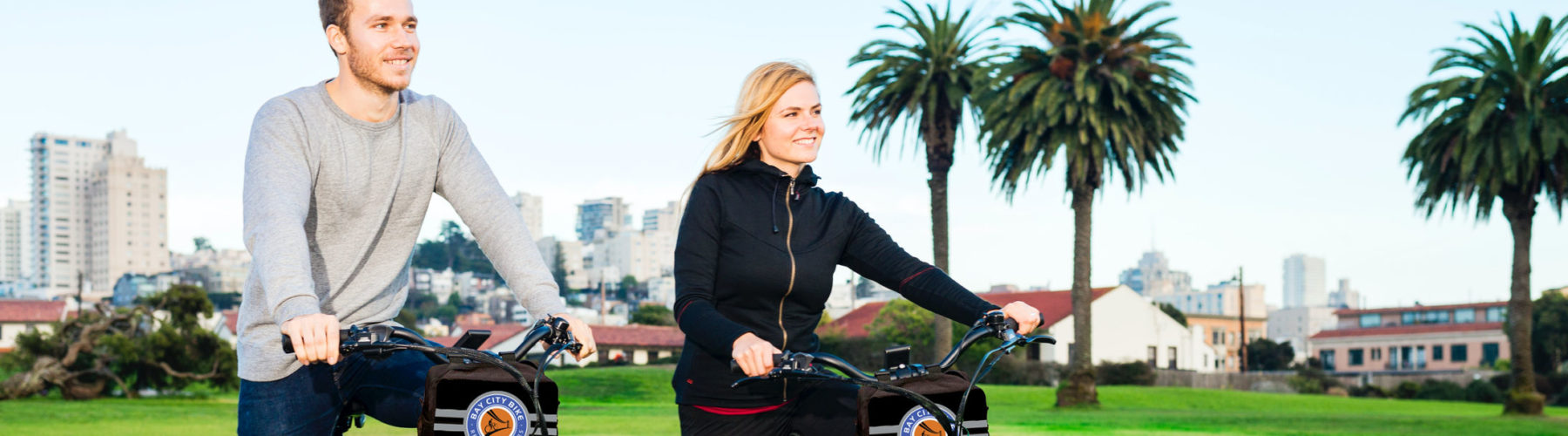
Should You Choose an Electric or Standard Bike Rental in San Francisco?
July 9, 2026If your plan includes hills, the Golden Gate Bridge, or “let’s just wander,” rent an electric bike in San Francisco; pick a standard bike only if you’re chasing the workout on purpose or you’re staying mostly flat and short. That’s the whole decision, honestly, and it’s why so many visitors who think they’re “fine on a normal bike” end up doing that slow-motion grind up a grade they didn’t see coming, calves screaming, sweating through a hoodie in 55°F fog like it’s a moral lesson.
San Francisco is compact, but it’s not gentle. Terrain, wind, traffic behavior, and even how you plan to return (ferry vs riding back) will change what “best value” means in about ten minutes.
 Key Takeaways
- San Francisco riding is not just about distance—it’s about elevation, wind, and stop-and-go traffic. Even short rides can feel significantly harder than expected once hills and weather factor in.
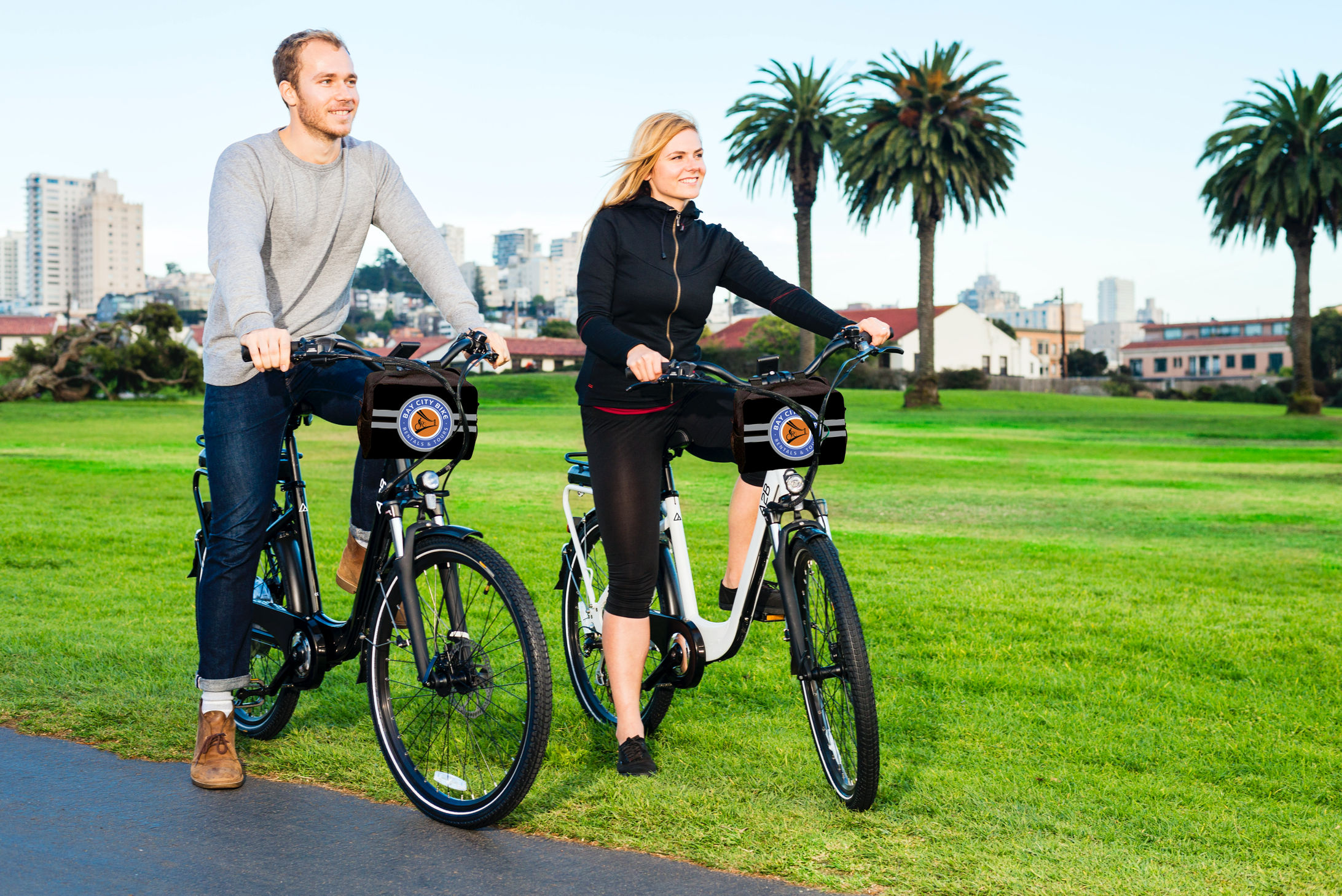
- E-bikes expand your practical range and reduce fatigue, letting you complete longer routes like Wharf → bridge without turning the day into endurance training.
- Standard bikes are lighter, simpler, and often less stressful when locking up in public areas, but they can quickly become exhausting on climbs or longer itineraries.
- Wind on the bridge and coastal stretches can noticeably affect control and comfort; e-bikes help you maintain momentum, but they require careful speed control in exposed areas.
- Pricing differences matter, but “cheaper” doesn’t always mean better value—if a standard bike forces you to cut your route short, the savings are usually offset by a reduced experience.
- Theft risk and liability are real considerations in SF; higher-value e-bikes require more careful locking habits and awareness of where you park.
- Bike rentals are best for planned routes like crossing the Golden Gate Bridge or exploring multiple neighborhoods.
- For most visitors, the most balanced choice is an e-bike because it keeps the experience focused on sightseeing instead of managing fatigue, terrain, and time pressure.
Pick your best option in 60 seconds
Hill tolerance
San Francisco doesn’t do it gradually. It does “oh, that’s cute” and then hands you a wall.
If you want to ride from the Wharf toward the Golden Gate Bridge, snake around the Presidio, or pop up anywhere near Nob Hill or Russian Hill, an e-bike saves your legs for the fun parts, like actually looking around.
If you’re sticking to the Embarcadero, the Marina Green, Golden Gate Park’s flatter paths, or a casual waterfront roll with lots of stops, a standard bike is perfectly workable and feels lighter, simpler, and less precious.
Here’s the quick gut-check I use with friends:
- If you’re even wondering whether you’ll hate hills, get the e-bike.
- If you’re training, want the burn, and you enjoy suffering a little, go standard.
- If you’re riding with a mixed group, the motor smooths out the pace wars fast.
- If you plan to lock up and spend time inside shops or museums, the cheaper non-electric option draws less attention.
Fitness goals
People get weirdly virtue-y about this. Like using a motor is “cheating.” It’s a city ride, not a purity test.
A standard bike turns SF into a workout first and a sightseeing trip second. Great if that’s the point. If you’re trying to cover ground and still have energy for the rest of your day, pedal assist is the difference between arriving curious versus arriving cooked.
Also, if you’re managing any physical impairment, a knee that flares up, or you just didn’t come on vacation to prove anything, electric assist can be the accessibility lever that makes the whole day possible.
Time and distance
Two hours goes fast in this town because you’ll stop. Photos. Snacks. Wrong turns that become “happy accidents.” Suddenly your planned 8 miles is 14.
E-bikes stretch your usable radius. A lot. They also tighten your schedule because you move quicker, which sounds good until you realize you’re now sharing space with pedestrians, cable car tracks, delivery trucks, and tourists drifting like balloons.
If you’re doing a half-day or full-day rental and want the classic bridge-to-Sausalito experience without turning it into a cardio event, the motor wins. If you’re doing a short loop and returning to the same neighborhood, standard stays in the value sweet spot.
How hills and wind change your ride
Signature climbs
SF’s “famous hills” aren’t a single entity. They’re a patchwork of grades, and the mismatch between expectation and reality is what gets visitors. A steepness visual like this map of San Francisco hill steepness is useful mostly because it kills the fantasy that you’ll “just power through” every incline you see on a postcard.
Tourist routes have their own little traps. The Presidio rollers look harmless until you’re on them. The approach to the bridge can feel like a slow escalator. Even the city blocks near the waterfront can tilt more than you notice while walking.
An e-bike doesn’t erase climbs, it makes them predictable. You choose an assist level, keep your cadence, and stop treating gravity like a personal enemy.
Fog and crosswinds
The bridge is windy in a way that messes with your steering, especially when fog is thick and visibility collapses into that gray-white nothing. On a standard bike, you’re working harder and getting pushed around. On an e-bike, you’re moving faster, which can feel sketchy if you’re not comfortable holding a line.
If you’re the type who tenses up when a gust hits, you’ll want to keep assist lower on exposed sections and just ride clean. The wind is also why layering matters. SF “cold” is a damp, sneaky cold that sits on your wrists and neck.
Weight and braking
E-bikes are heavier. Period. That weight helps them feel planted in wind, then punishes you when you need to maneuver at low speed around pedestrians or avoid a dooring zone.
Downhill braking is where the decision gets real. A heavier bike carrying more speed asks more of the brakes and the rider’s judgment. You want strong, predictable stopping power and brake levers that fit your hands.
If the shop can’t explain the brake setup without sounding lost, pick a different shop. I’m serious.
Compare Costs, Deposits, and Liability
Typical rental pricing
Prices move around by season and neighborhood, but general rental patterns remain consistent: electric bikes cost more per hour and per day, but they can significantly expand your range and reduce the need for additional transportation during your ride.
Here’s a practical comparison that reflects what most riders experience:
| What you’re paying for | Standard rental | Electric rental |
| Typical 2-hour pricing | Lower | Higher (often starting around the low $40s) |
| Full-day value | Good if flat/slow routes | Strong for longer-distance riding |
| Deposit/hold | Sometimes smaller | Often larger |
| “Oops” cost sensitivity | Moderate | Higher due to more expensive components |
Cheap doesn’t always mean better value. If a standard bike saves money but forces you to shorten your route, the overall experience can suffer unless your goal is purely exercise-focused.
Damage and theft responsibility
This is where many riders underestimate risk. Rentals typically require full responsibility for damage, and theft policies can be strict depending on how and where the bike is secured.
Electric bikes can attract more attention due to their higher value, so proper locking and situational awareness matter more than most visitors expect.
If you plan to stop for long meals or extended indoor visits, consider how comfortable you are leaving the bike unattended. A standard bike can reduce stress in situations where you’ll be parking frequently.
 Insurance and roadside support
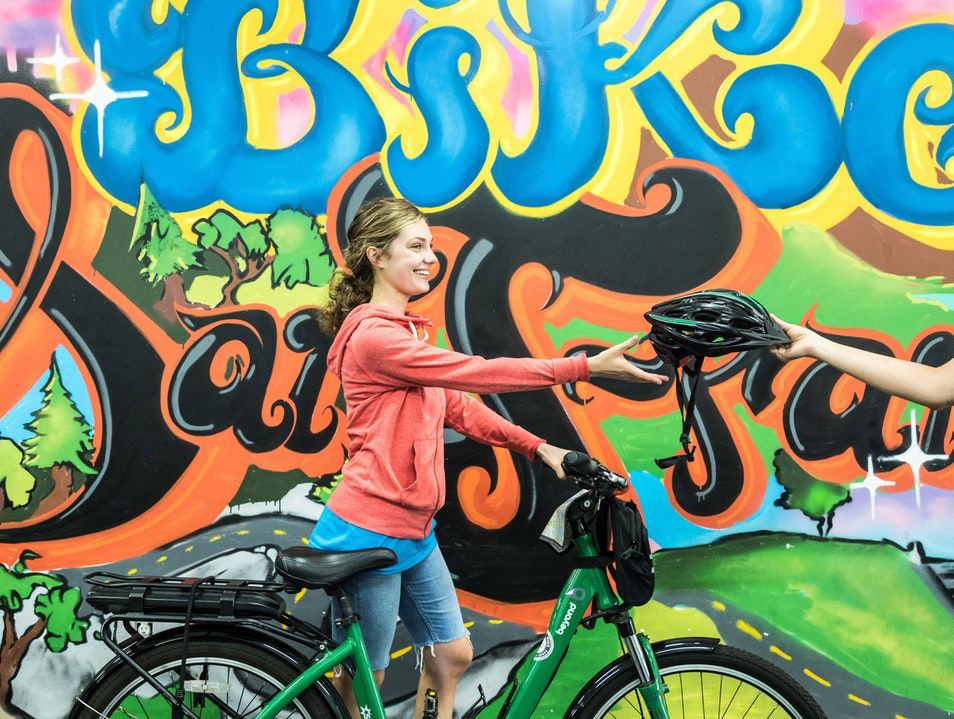
Some rental providers offer optional coverage or protection plans. It’s important to review the actual terms carefully, as coverage often excludes preventable issues such as improper locking or negligence.
Roadside assistance can be especially helpful for longer routes, particularly if you experience mechanical issues far from your starting point. It can save time and effort if a bike becomes difficult to ride during your trip.
Electric bike safety discussions have also become more common in recent years, especially around speed control and rider awareness. Regardless of bike type, maintaining safe speed and attentive riding is essential for a smooth experience.
Know Rental vs Bike Share
Best use cases
A rental is for a planned outing. Bike share systems are typically designed for short hops, one-way convenience, and situations where you don’t want to manage a bike for an extended period.
Rentals usually come with a real lock, properly fitted bike sizes, a quick safety check, and staff assistance to ensure correct setup. Bike share systems offer station-based pickup and return convenience, but availability and docking can become inconsistent during peak times or in high-demand areas.
Pricing differences
Bike share may appear inexpensive at first, but costs can add up quickly when used for longer rides, delays, frequent stops, or extended travel time.
Shared micromobility usage has increased significantly in recent years, reflecting growing adoption and a wider range of rider experience levels, which can also lead to more variability in traffic and riding conditions.
Parking and lock rules
With bike share systems, you are required to return the bike to an approved docking location or designated end point, following system rules to avoid additional fees.
With rentals, you are responsible for physically locking the bike during stops. Proper locking technique is important—always secure the frame, avoid low-visibility or isolated areas, and never leave a bike unattended overnight. Extended stops in unsecured locations can increase risk, so planning where and how long you park is essential.
Plan a Safe Route With Good Start Points
Wharf to Bridge
This is the classic postcard ride: Fisherman’s Wharf through Fort Mason, Marina Green, Crissy Field, then across the bridge.
The route itself is approachable, which is exactly why people overestimate a standard bike and underestimate the return trip. If you’re riding back, you’re signing up for wind, rolling grades, and fatigue. If you’re returning another way, you can focus your energy on enjoying the ride rather than pacing yourself for the full round trip.
For route planning, rely on official lane information rather than assumptions. The SFMTA bicycle map and route guide is the most reliable reference for identifying protected lanes and comfortable connectors.
Golden Gate Park
Golden Gate Park is where a standard bike becomes a strong option again. It offers long internal roads, plenty of space, limited vehicle interaction in many areas, and a relaxed pace suitable for families and casual riders.
Start points that make the ride easier include the eastern side near the Panhandle for those coming from central neighborhoods, or the western side if you want a more open, coastal feel. It’s also a good environment to get comfortable with an e-bike, since you can lower assist levels and adjust gradually to handling and braking.
Embarcadero and Market Street
The Embarcadero offers one of the flattest and most straightforward riding experiences, which is why it tends to be busy. It’s ideal for relaxed waterfront cruising with frequent stops.
Market Street is faster and more direct but significantly more demanding, with heavier traffic interaction, frequent intersections, and more complex lane movement.
For newer riders, the waterfront tends to feel more predictable and comfortable. More experienced cyclists may prefer Market Street as a central route, but it requires constant awareness of pedestrians, vehicles, and sudden movement changes.
Choose Returns, Ferries, and Battery Strategy
Return options
Most riders who cross the bridge don’t necessarily want to ride back. They prefer the downhill experience, time to explore, and then an easier return option that preserves energy for the rest of the day.
Check return timing and capacity rules in advance, since departures can fill up during peak hours and waiting can affect your schedule.
E-bike return considerations
Policies around e-bikes can vary, especially depending on bike type and configuration. Some systems differentiate between pedal-assist and throttle-based designs, and rules may change based on operational requirements.
Before committing to a return plan, confirm what types of bikes are accepted and ensure your timing aligns with available departures.
It’s also important to follow posted rules when riding across major bridge routes, as access guidelines and rider etiquette are strictly enforced for safety and traffic flow.
Range and charging plan
Most rental e-bikes provide enough range for a typical day, but real-world performance depends on several factors including assist level, rider weight, terrain, wind, and frequency of stops.
A simple and reliable approach is to use lower assist on flat sections, reserve higher assist for climbs, and avoid running at maximum power unless necessary. Taking a moment to understand the battery indicator before starting your ride can help prevent range uncertainty later in the day.
E-bike usage continues to grow as more riders look for ways to reduce effort on hilly routes while still covering meaningful distance comfortably.
What Should You Ask the Rental Shop?
You can usually tell in a couple of minutes whether a shop is setting you up for a smooth experience or a stressful one. Pay attention not just to the answers, but how clearly they explain them:
- What happens if the bike is stolen if it’s locked correctly, and what counts as “correctly”?
- Are the brakes hydraulic disc, and when were the pads last checked?
- For e-bikes, what’s the real-world range in hilly terrain, and can I see the battery level before I leave?
- Do you provide a U-lock, and do you have guidance on where not to lock up?
- If I’m planning to return via ferry, are there any restrictions for my specific bike model?
If the answers are vague or defensive, that’s a red flag. If they’re specific and calm, you’re likely in good hands.
FAQ
Is an e-bike “too fast” for riding in the city?
It depends on the rider. The motor isn’t the issue—speed control and awareness are. Keep your pace reasonable in crowded areas and treat shared paths as mixed-use spaces.
Do I need a helmet?
Helmet rules depend on age, but wearing one is strongly recommended in city traffic conditions where unexpected stops and tight interactions are common.
Can I ride an e-bike across major bridge routes?
Yes, e-bikes are generally allowed, but always follow posted rules and shared-use etiquette. These areas can include both tourists and fast-moving commuters.
What’s the sketchiest mistake visitors make?
Locking a bike poorly and leaving it unattended for too long is the most common issue. Another frequent mistake is riding distracted in high-traffic or track-heavy areas.
 Conclusion
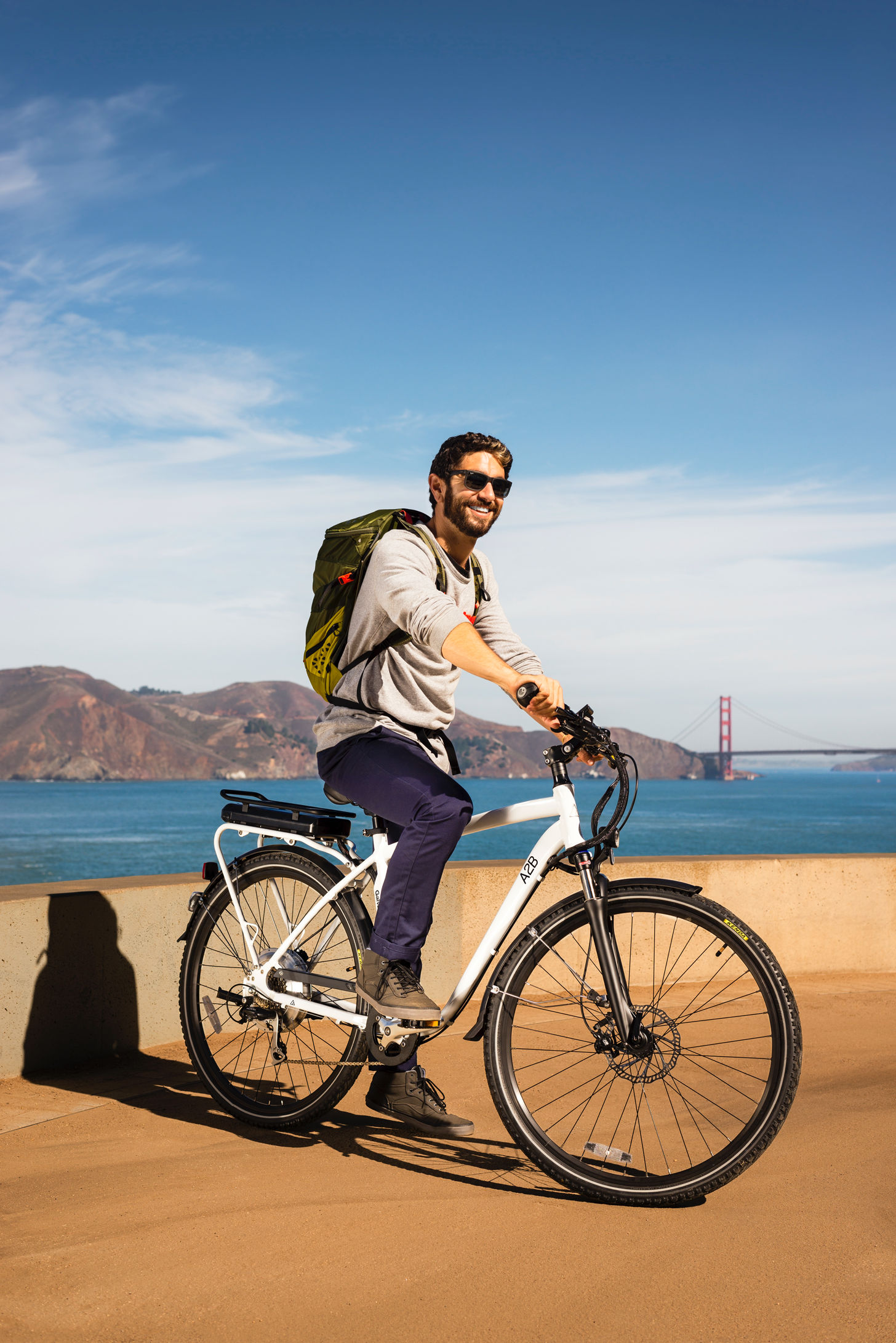
Most visitors are better off choosing an electric bike rental in San Francisco because the city’s steep hills and coastal wind quickly turn what looks like a casual ride into a constant physical challenge. With pedal assist, you can focus on the scenery, landmarks, and neighborhoods instead of grinding through climbs or arriving exhausted before the day is halfway done. A standard bike still makes sense in the right context—especially for flatter routes, short trips, riders who want a workout, or situations where lighter handling, lower cost, and simpler parking and locking are priorities.
The real decision isn’t just about preference; it’s about route. If you’re planning something like a Golden Gate Bridge ride, a Golden Gate Park loop, or a full waterfront tour, the bike you choose will directly shape how far you can go and how enjoyable the experience feels. Share your route, and I can help you estimate effort, battery needs, and where most rides tend to run into problems.
Looking for the Best Bike Rental San Francisco Has to Offer?
Whether you’re visiting San Francisco for the first time or returning to explore even more of the city, choosing the right bike rental can make all the difference. Instead of spending your day stuck in traffic or trying to navigate crowded attractions on foot, you can experience the city’s famous waterfront, the Golden Gate Bridge, and countless neighborhoods at your own pace. With well-maintained bikes, flexible rental options, and expert local advice, Bay City Bike makes it easy to enjoy more of San Francisco with less stress.
Conveniently located in Fisherman’s Wharf where the bike path begins, Bay City Bike has helped visitors create unforgettable memories since 2001. Whether you’re looking for a classic bike rental in San Francisco, an electric bike for tackling the city’s famous hills, or recommendations for the best scenic routes, our friendly team is here to help. Reserve your San Francisco bike rental today and discover why so many visitors choose Bay City Bike as their starting point for an unforgettable ride across the Golden Gate Bridge and beyond.
Disclaimer
The information provided on this website is for general informational and educational purposes only. While we strive to keep our content accurate and up to date, biking conditions, traffic patterns, weather, trail access, ferry schedules, and local regulations can change without notice. Always use your own judgment and verify current conditions before planning your ride.
Cycling involves inherent risks. Riders are responsible for following all applicable traffic laws, wearing appropriate safety equipment, and riding within their abilities. Bay City Bike Rentals & Tours is not responsible for any loss, injury, damage, or inconvenience resulting from the use of the information on this website or from participation in any self-guided or guided cycling activities. If you have questions about your planned route, equipment, or riding experience, our team is happy to provide recommendations before your adventure begins.