Where Can You Find the Best Bike Rental in San Francisco?
July 10, 2026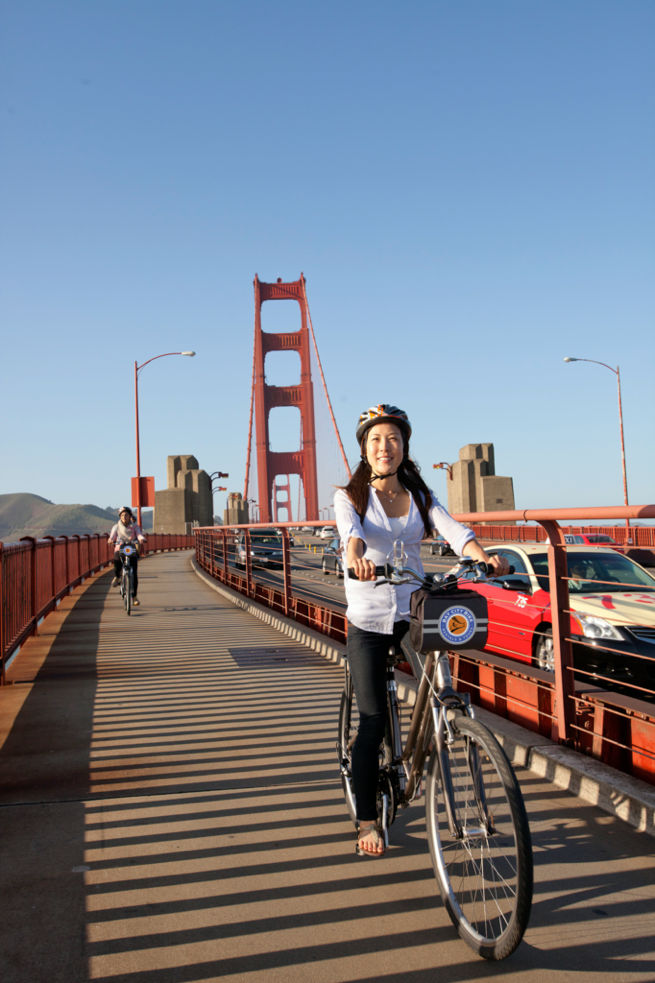
If you’re trying to find the best bike rental in San Francisco, the honest answer is you don’t “find” it—you choose it based on the ride you’re actually taking: for an all-day Golden Gate Bridge loop, a full-service rental shop near Fisherman’s Wharf tends to win; for Golden Gate Park laps with zero drama, a shop that’s already inside the park is hard to beat.
The common misconception is that all bikes in San Francisco are basically interchangeable, like you’re picking between two identical pens at a bank counter. Then you hit your first hill, the wind flips on like a switch, and suddenly fit, gearing, brakes, and where you’re allowed to return the thing becomes very, very real.
Key Takeaways
- The “best” bike rental in San Francisco isn’t universal—it depends on your route, not just the shop or price.
- For full-day scenic rides like the Golden Gate Bridge or Sausalito loop, a traditional rental shop with proper bike fitting, gear, and support is usually the most reliable choice.
- For short, flexible trips between neighborhoods, bikeshare systems work well, but they come with tradeoffs like station availability and less predictable comfort.
- Golden Gate Park and waterfront routes (Embarcadero, Crissy Field, Marina) are the most beginner-friendly and least hilly options in the city.
- E-bikes are often the best equalizer in SF because they reduce the challenge of hills and help groups with mixed fitness levels stay together.
- Bike fit matters more in SF than in flatter cities—poor sizing or comfort can quickly turn a scenic ride into a tiring experience.
- Route choice is critical: sticking to waterfront corridors and protected bike paths reduces stress and improves safety.
- Group rides are easier to manage with a reserved rental shop setup than with bikeshare systems, which can split groups or cause delays.
- Pricing can be misleading if you don’t account for duration, add-ons (like e-bikes), and late return rules.
- The smartest approach is to decide first on your ride type (long scenic loop vs. quick trips), then choose the rental method that matches it—rather than starting with price or brand.
Where should you rent versus use bikeshare?
If your ride has a “plan” (bridge, park loop, photo stops, picnic, ferry back), rent from a shop. If your ride is more like “I need to get from here to there without thinking,” bikeshare is your friend. SF’s geography rewards commitment and punishes improvisation. Hills do not care about your vibes.
Here’s the quick filter I use when friends text me from a hotel lobby, helmet hair already forming:
- If you want to ride for hours, bring a bag, and stop wherever, pick a traditional rental with a lock and real human support.
- If you want short trips between neighborhoods and you’re fine hunting for a station, use bikeshare.
- If you’re traveling with kids, a mixed-skill group, or anyone who might panic in traffic, choose a shop where staff can do a proper fit and recommend a lower-stress route.
Best for day trips
Day trips are where shops earn their money. You want a comfortable saddle, a properly sized frame, and gearing that won’t make you hate your life halfway up the approach to the Golden Gate Bridge. The classic tourist day is Wharf to bridge and back, or a longer Golden Gate Bridge loop depending on your pace. It’s scenic, it’s salty, and it always ends up feeling longer than it looks on a map once you add detours and photo stops.
For that “make a day of it” ride, I’d rather have a rental that comes with a lock, a quick safety talk, and someone who can swap a bike if something feels off 10 minutes in.
Best for quick rides
Bikeshare is built for errands, spontaneity, and “I don’t want to babysit a bike all day.” In San Francisco, that usually means grab, ride, dock, walk away. You’re trading comfort for convenience, and sometimes you’re trading certainty for convenience too, because station availability can be a bit unpredictable.
If you’re doing quick hops along flatter corridors (Embarcadero, parts of Market, the Wiggle into Golden Gate Park), a short-term bike rental or flexible ride option can feel like a cheat code.
Best for groups
Groups are where bikeshare turns into a small group project. Stations might not have enough bikes in one place, one person’s app decides to update right now, and suddenly you’re standing around like you’re coordinating a field trip.
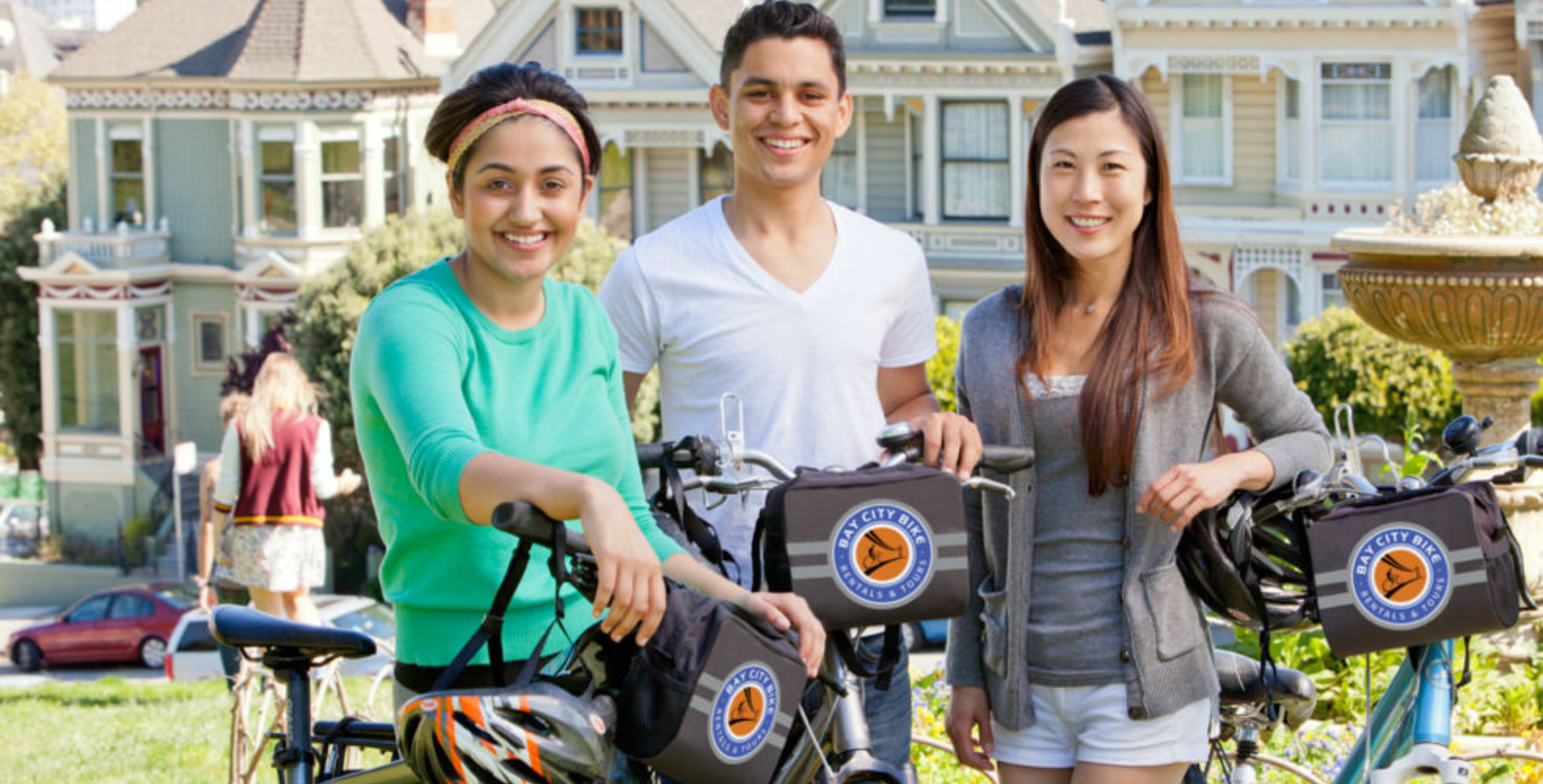
For groups, a shop reservation is calmer. You can line up sizes, reserve e-bikes for the hill-averse, add kids gear, and leave together, which is underrated. The bike is not the hard part. Keeping people together is.
Which SF options are most reliable?
Reliability in San Francisco bike rentals is mostly about three things: fleet quality, location convenience, and whether someone picks up the phone when reality shows up.
A good full-service rental shop is usually the most dependable option for riders planning bridge routes and waterfront rides. These setups are built for volume, they know the standard routes well, and the rental process is designed to move riders through quickly without confusion. If you want to sanity-check what a typical setup looks like, most established operators in the city follow a similar model.
For riders who prefer flexibility over ownership, bikeshare systems offer a different kind of convenience. You can grab a bike, ride it, dock it, and move on without thinking about returns or time windows. The tradeoff is predictability—station availability and bike feel can vary, and sometimes you’ll run into small surprises like uneven distribution or heavier e-bike handling than expected.
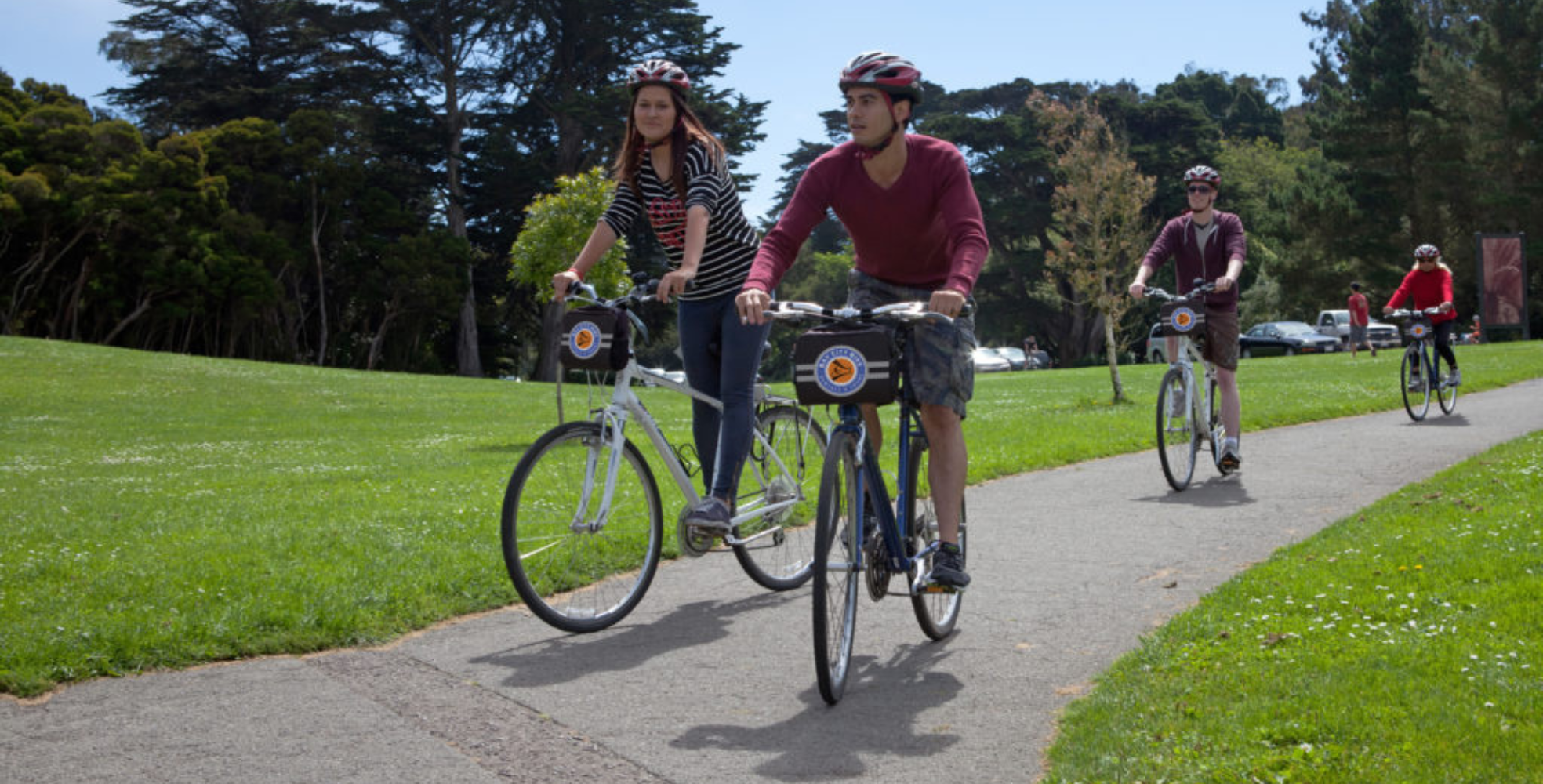
Park-based rental locations are ideal for relaxed riding days centered around Golden Gate Park and nearby waterfront routes. These setups work well for loops, family rides, and casual cruising where staying within a defined area is more important than covering distance. The experience is straightforward: start where you rent, ride at your own pace, and return to the same location.
To make this less abstract, here’s the simplest comparison that actually helps when you’re standing on a sidewalk with limited phone battery:
| Option | Best for | Return style | Typical friction points |
| Rental shop near waterfront areas | Bridge routes, longer scenic rides | Return to shop (sometimes after-hours drop) | Busy weekends, reservation timing |
| Park-based rental | Golden Gate Park loops, family rides | Return to same location | Limited range if you go far beyond the park |
| Short-term bike options | Short trips, flexible one-way rides | Dock at a station | Full/empty stations, app variability |
What should you compare before booking?
“Best” is usually a pricing argument pretending to be a quality argument. You want total cost, fit, and logistics. Everything else is garnish.
Total price
Look past the headline rate. Shops may bundle helmets, locks, and a map, while pricing can look cheap at first until you factor in time, e-bike surcharges, or membership assumptions. If you’re doing a long session, price it like a long session. If you’re doing short trips, price it like a string of short trips. People mess this up constantly, then blame the bike.
When you’re comparing, I’d literally sanity-check these items before you click anything:
- Whether the rate is hourly, “all-day,” or 24 hours from checkout
- Included gear (helmet, lock, lights, phone mount, flat kit)
- E-bike pricing rules (and what counts as “e” time)
- Overage fees and what “late” means in plain English
Bike fit and comfort
SF is not kind to poorly fitted bikes. Wrong saddle height turns mild hills into leg misery. Wrong handlebar reach turns scenic paths into wrist pain. Shops that take 2 minutes to fit you often save you 2 hours of regret.
Comfort is also about tires and posture. A hybrid with medium-width tires forgives rough pavement and random construction zones. A skinny-tire road bike feels fast until you’re rattling over seams and thinking about dental work.
Pickup and return
This is the unsexy part that decides your whole day. If your hotel is in SoMa but you’re renting near Fisherman’s Wharf, you just added transit complexity before you even start. If you’re counting on docking at a station near your destination, check that the station exists and that it’s inside the service area.
Also think about what happens after 6 pm riders are out and the city gets busier in a different way. Night returns can be easy at a shop with a drop option, or annoying if you’re hunting for an open dock while hungry.
Choose the right bike for SF terrain
SF terrain is basically a personality test disguised as topography. Your bike choice is strategy, not aesthetics.
Hybrid and comfort
Hybrids and comfort bikes are the default smart pick for most visitors because they tolerate patched asphalt, mixed-use paths, and the stop-and-go rhythm of a city ride. They’re also easier to control when you’re threading around pedestrians near the waterfront.
If you’re doing Golden Gate Park, the Embarcadero, Crissy Field, or a Presidio loop, a hybrid is usually the least dramatic option.
Road and performance
Road bikes are fun when you’re actually riding like a cyclist, not sightseeing with stops every 6 minutes. If you’re experienced, clipping along the flatter edges can feel great. If you’re not, the aggressive posture plus SF’s unpredictable surfaces can feel like you signed up for a sport you didn’t train for.
Performance bikes make sense for riders with confidence, route discipline, and a plan that avoids sketchy intersections.
E-bike and cargo
E-bikes are the hill equalizer, and frankly they’re the closest thing SF offers to fairness. They open up routes that would otherwise turn into a sweaty bargaining session with your own body. Cargo bikes are great for hauling kids or gear, but they demand space, turning awareness, and comfort handling a heavier frame.
If your group has mixed fitness levels, matching everyone on e-bikes can keep the day cohesive instead of turning into a stretched-out line of frustration.
Here’s the quick terrain-to-bike match that tends to keep people happy cyclists instead of silently mad cyclists:
| Terrain and goal | Bike type that behaves | Why it works in SF |
| Waterfront cruising, park paths, casual pace | Hybrid/comfort | Stable handling, forgiving tires, upright visibility |
| Fitness ride with fewer stops | Road/performance | Efficient pedaling, faster cruising speed |
| Hills, longer range, mixed-skill groups | Electric bike | Smooths climbs, reduces fatigue, keeps group together |
Plan a safe route with fewer hills
You can have a gorgeous SF ride without doing battle with the steepest streets. The trick is choosing corridors that were basically destined for bikes: flatter, scenic, protected where possible.
For real route planning, I trust the city’s own resources more than influencer maps. The SFMTA bike information hub is a good starting point for how the system is supposed to work, and if you dig into their bike map layers you get a clearer view of where protected lanes and shared streets actually exist.
 Waterfront corridors
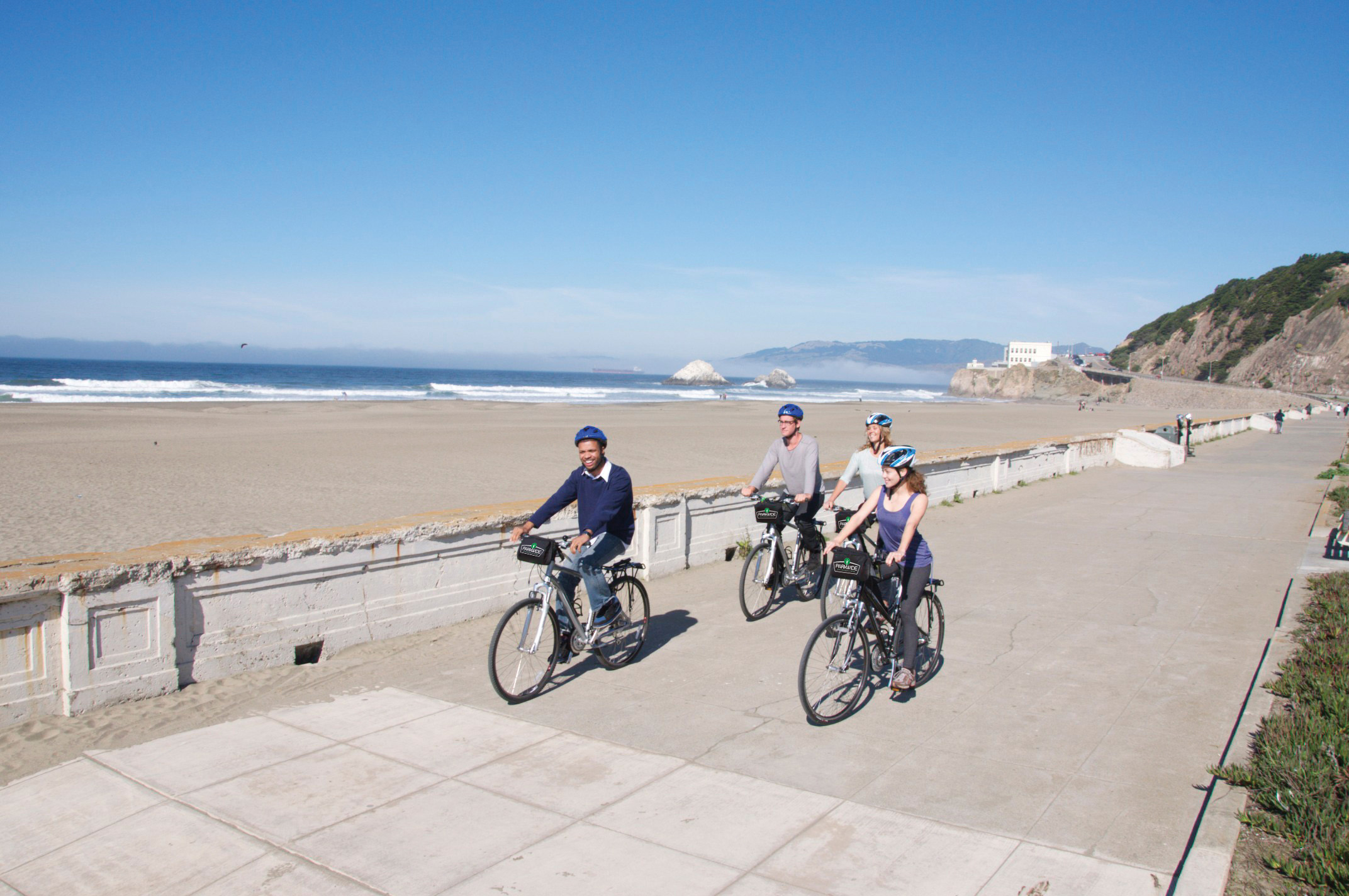
The waterfront is the confidence-builder. Embarcadero paths, Marina Green, Crissy Field, and the approaches toward the bridge are popular because they’re wide, visible, and you’re not trapped between fast traffic and parked cars. Wind is the main villain, not cars.
If you’re new to urban riding, stay here longer than you think you need to. It’s not “touristy.” It’s smart.
Park and Presidio loops
Golden Gate Park is a relief because it gives you room, literal room, to ride without constant intersection math. The Presidio is stunning, but it’s also rolling, and some sections demand attention because visibility and speed change quickly.
The Presidio’s trails and roads reward riders who slow down at blind corners and remember that pedestrians and dogs get equal billing.
Bridge and Sausalito
Crossing the Golden Gate Bridge is iconic, and it’s also a live environment with its own rules, weather swings, and crowd patterns. Mornings can be foggy and cold even in June. Afternoons can be bright and windy. Layers matter more than optimism.
If you do the bridge-to-Sausalito ride, plan the ferry timing before you start. Nothing sours a day like arriving hungry, late, and realizing the next boat is not soon.
Use Bay Wheels without surprises
Short-term bike options are convenient, not magical. They work best when you treat them like a transit-style system, because that’s how they’re designed.
Stations and service areas
Availability is a key factor. If you ride to a destination with only one nearby return point, you’re relying on it having open capacity later. That works if you’re flexible, but it can be frustrating if you’re on a schedule.
Not every neighborhood has the same density or availability patterns. Placement and distribution depend on demand, planning, and broader mobility considerations across the city.
Pricing and passes
Pricing is usually straightforward until you factor in time-based charges, electric bike usage, or different rental durations. If you’re taking multiple rides in a day, a bundled option can make sense. If you’re doing one long ride, the total cost can add up faster than expected.
Confusion around pricing often comes from not tracking time closely, especially when rides extend longer than planned.
Common failure points
This is the part most people only notice when they’re already mid-ride or trying to end a trip. Common issues include:
- No available return space at your destination, requiring rerouting
- Reduced range on electric-assist bikes depending on usage
- App or system delays during peak hours
- Bikes that feel worn or less responsive than expected
None of these issues are unique to San Francisco, but the city’s hills and terrain can make small inconveniences feel much more noticeable.
What to know for accessibility and equity
People talk about “accessible riding” like it’s a niche concern. In SF, it’s the whole game. Hills, traffic patterns, route design, and cost all decide who gets to ride comfortably.
Adaptive and step-through
Step-through frames are a quiet blessing for a lot of riders, especially anyone dealing with limited hip mobility, balance concerns, or just not wanting to swing a leg over a high top tube in a crowded spot. Adaptive bikes exist too, but they’re not evenly available, and you often need an appointment and a specific location that carries them.
If adaptive bikes are essential, it’s worth calling ahead rather than assuming a rental shop will have options available on demand.
Budget and discounts
In many cities, reduced-fare programs exist to make riding more accessible for residents. These programs are part of broader efforts around transportation equity and how mobility resources are distributed.
If you’re visiting, you may not qualify for local discounts, but you can still manage costs by choosing the right rental duration and avoiding pricing structures that don’t match your planned ride time.
Confidence and skill level
Confidence is a safety feature. If you’re not comfortable riding in traffic, build your route around protected lanes, parks, and waterfront trails. Nobody benefits from forcing a ride that feels unsafe or overwhelming.
If your group includes different skill levels, plan around the least confident rider. That’s not sentimental—it’s practical risk management.
Follow-up questions to decide fast
If you want to decide in two minutes, these are the questions that actually narrow it down:
- Are you returning to the same place, or do you need point-to-point flexibility?
- Is the Golden Gate Bridge part of the plan, or are you staying in flatter zones?
- Do you need e-bike assist for hills, distance, or group pacing?
- Are you carrying anything that requires a basket, cargo space, or a real lock?
- Will you be riding near sunset, when return logistics and visibility matter more?
Answer those, and the “best” option usually reveals itself without drama.
Conclusion
The “best bike rental in SF” question sounds like a simple shopping problem. It’s not. It’s a route problem, a terrain problem, and a logistics problem wearing a cute tourist outfit.
Pick a shop rental when you’re committing to a full ride and want comfort, fit, and a clear return plan. Pick a flexible, transit-style option when you only need short trips and don’t want to manage a full-day rental. Then ride the parts of the city that actually want you there: the waterfront, Golden Gate Park, the Presidio edges, the bridge approach when the wind isn’t trying to humble you. That’s the version of SF cycling people remember.
FAQ
1.Where can you find the best bike rental in San Francisco for the Golden Gate Bridge?
Near Fisherman’s Wharf and the waterfront, where shops are set up specifically for bridge traffic, fitting, and route guidance. That’s the most common launch point for a bridge and Sausalito day trip.
2. Is a bike-share system good for tourists?
It can be useful for shorter trips if you’re comfortable with station-based availability. For longer scenic rides, many visitors prefer a traditional rental because comfort, fit, and predictability matter more over several hours.
3. Do I need a helmet in California?
California’s helmet law is strict for kids. For adults, it’s more about safety than legality, and SF’s mix of wind, streetcar tracks, and uneven pavement makes a helmet a sensible choice.
4. What’s the least hilly scenic route?
Waterfront corridors and park paths usually keep climbing manageable. Embarcadero to Marina to Crissy Field is a classic “views without suffering” line.
5. Can I rent bikes for a family, including kids or a surrey?
Yes. Park-adjacent operators often carry family gear and surrey options, and full-service shops can set up kid bikes and trailers if you reserve.
Looking for the Best Bike Rental San Francisco Has to Offer?
Whether you’re visiting San Francisco for the first time or returning to explore even more of the city, choosing the right bike rental can make all the difference. Instead of spending your day stuck in traffic or trying to navigate crowded attractions on foot, you can experience the city’s famous waterfront, the Golden Gate Bridge, and countless neighborhoods at your own pace. With well-maintained bikes, flexible rental options, and expert local advice, Bay City Bike makes it easy to enjoy more of San Francisco with less stress.
Conveniently located in Fisherman’s Wharf where the bike path begins, Bay City Bike has helped visitors create unforgettable memories since 2001. Whether you’re looking for a classic bike rental in San Francisco, an electric bike for tackling the city’s famous hills, or recommendations for the best scenic routes, our friendly team is here to help. Reserve your San Francisco bike rental today and discover why so many visitors choose Bay City Bike as their starting point for an unforgettable ride across the Golden Gate Bridge and beyond.
Disclaimer
The information provided on this website is for general informational and educational purposes only. While we strive to keep our content accurate and up to date, biking conditions, traffic patterns, weather, trail access, ferry schedules, and local regulations can change without notice. Always use your own judgment and verify current conditions before planning your ride.
Cycling involves inherent risks. Riders are responsible for following all applicable traffic laws, wearing appropriate safety equipment, and riding within their abilities. Bay City Bike Rentals & Tours is not responsible for any loss, injury, damage, or inconvenience resulting from the use of the information on this website or from participation in any self-guided or guided cycling activities. If you have questions about your planned route, equipment, or riding experience, our team is happy to provide recommendations before your adventure begins.