What Is Included With a Bike Rental in San Francisco?
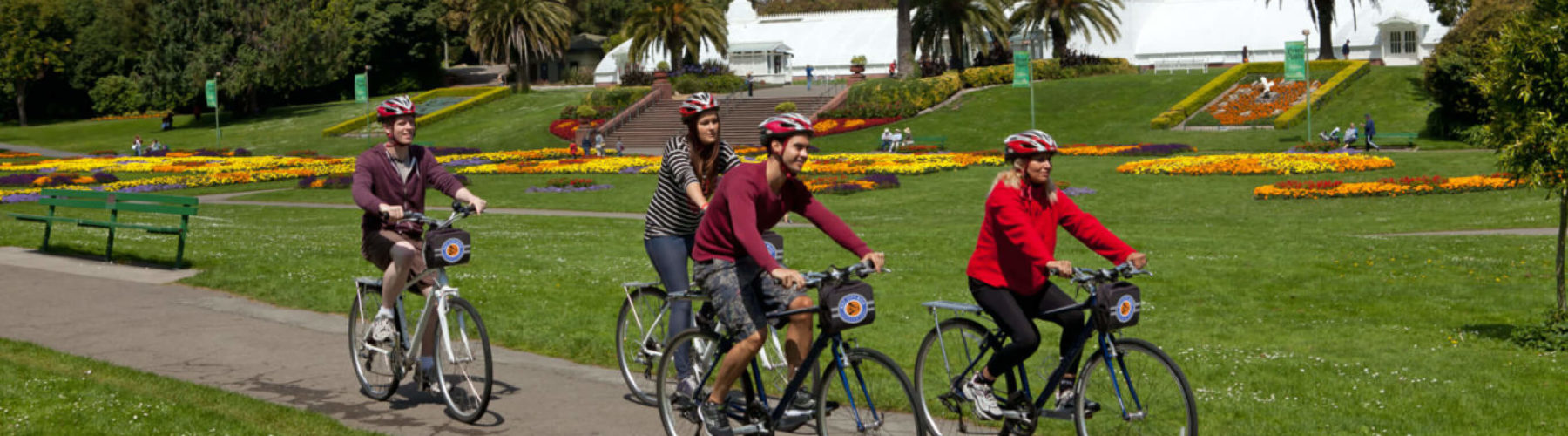
July 28, 2026San Francisco is one of the most popular cycling destinations in the United States, but many first-time visitors are surprised to learn that a bike rental is much more than simply getting a bicycle for a few hours. Most rental packages are thoughtfully designed to make city riding safer, more comfortable, and easier to navigate for riders of all experience levels. Because the city features steep hills, busy intersections, and rapidly changing weather conditions, rentals typically include much more than just basic transportation. Riders can expect essential safety gear, navigation support, and optional upgrades that enhance comfort and convenience throughout the journey. These inclusions are intended to help visitors focus on enjoying the ride rather than worrying about logistics or equipment issues. From properly fitted helmets and secure locks to route guidance and bike adjustments, each element plays a role in shaping a smooth and enjoyable cycling experience. Below is a detailed breakdown of what is typically included when you rent a bike in San Francisco and how each component contributes to a safer and more rewarding ride.
 Key Takeaways
- A bike rental includes far more than just the bicycle itself
- Helmets, locks, and safety gear are standard inclusions
- Navigation tools like maps or digital guides help with route planning
- Maintenance support is often available for mechanical issues
- Add-ons allow customization for families, cargo, and comfort
- Riders can choose between self-guided and guided experiences
- Pricing typically includes essential equipment and clearly defined usage terms
The Core Bike Rental Package and What You Actually Get
Standard Bike Setup and Basic Components
At the center of every rental is the bicycle itself, which is usually fully assembled and adjusted before it is handed over. In San Francisco, rental bikes are commonly built for comfort and versatility because riders encounter a mix of flat waterfront paths, urban streets, and steep hills.
Most standard rentals include a hybrid or comfort bike designed for stability and ease of use. These bikes typically come with upright handlebars, cushioned seats, and lightweight frames that make city riding less physically demanding. The gears are pre-tuned so riders can handle elevation changes, especially in hill-heavy areas. Braking systems are checked and adjusted before each rental to ensure safe stopping power on both dry and damp roads, which is important in a city known for sudden weather shifts.
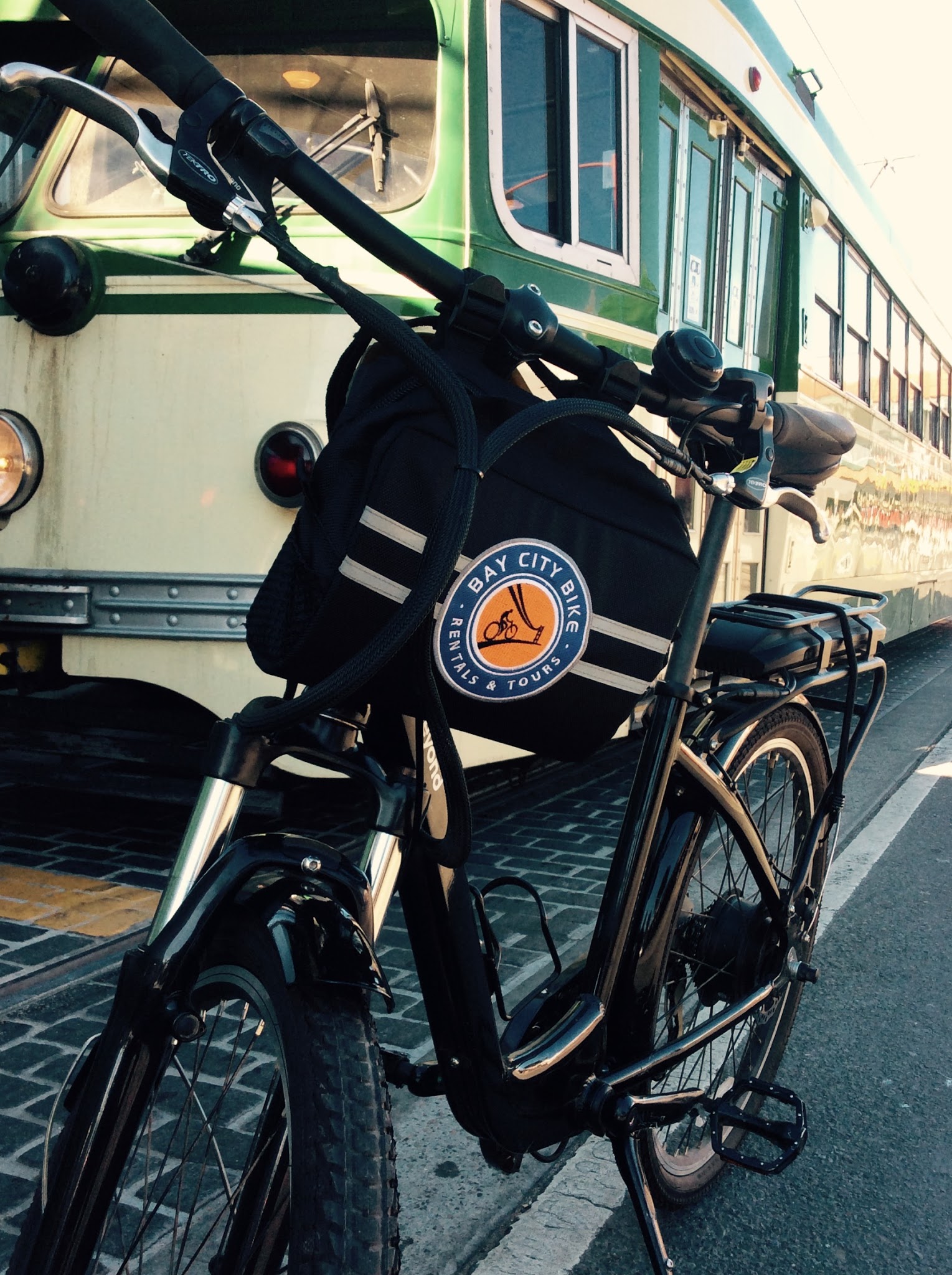
Electric bikes are also commonly available as part of premium rental packages. These include a battery system that assists pedaling, making hills significantly easier to manage. Riders do not need special training to use them; controls are usually simple and explained during pickup.
Each bike is cleaned and inspected before use, with tire pressure, chain condition, and seat height adjusted to match the rider. This preparation ensures that even beginners can start riding comfortably within minutes of leaving the shop.
Overall, the core bike itself is more than just transportation—it is configured specifically for urban exploration, safety, and comfort in a city with unique terrain challenges.
Safety Equipment Included With Every Rental
Helmets, Visibility Gear, and Basic Protection
Safety equipment is one of the most important parts of a bike rental in San Francisco, and it is almost always included in the standard package. The city strongly encourages helmet use, and most rental providers supply helmets in multiple sizes to ensure a proper fit for adults and children.
Helmets are typically adjustable and padded, designed to provide both comfort and impact protection. Staff members often help riders fit them correctly, ensuring they sit level on the head and are securely fastened without being too tight. This is especially important for visitors who may not be familiar with helmet safety standards.
In addition to helmets, some rentals include reflective accessories or visibility enhancements. These may include reflective straps, vest options, or bike-mounted reflectors. Since weather conditions can change quickly and fog is common in certain areas, visibility gear plays a key role in safer riding.
Many bikes are also equipped with built-in lights or offer clip-on options for front and rear illumination. These lights are useful even during daytime rides when passing through shaded parks, tunnels, or foggy waterfront zones.
Safety briefings are sometimes included as part of the rental process. These briefings cover basic riding rules, how to use hand signals, and tips for navigating intersections safely.
Overall, safety gear is not just a formality—it is a critical part of the rental experience that helps riders feel more confident, especially those unfamiliar with urban cycling environments or steep terrain.
Locks and Security Features for City Riding
Anti-Theft Tools and Secure Parking Practices
Bike security is a major part of the rental experience in San Francisco because riders often stop frequently to explore viewpoints, cafes, and landmarks. To support this, most rentals include a high-quality lock system as part of the package.
The most common type provided is a U-lock or heavy-duty cable lock. U-locks are preferred for city environments because they are resistant to cutting tools and provide a strong anchor point when locking the bike to fixed structures. Some rentals may include a secondary cable lock to secure wheels or accessories for added protection.
Rental staff usually demonstrate how to properly lock the bike, emphasizing secure points such as metal racks or designated bike parking areas. Proper locking technique is important in busy tourist zones where bikes are frequently parked for short stops.
Some packages also include removable components like GPS trackers or identification tags, which help with recovery in rare cases of theft. While not always standard, these features are becoming more common in premium rentals.
Security instructions are typically included in the rental briefing. Riders are advised to avoid leaving bikes unattended for long periods and to always park in well-lit, high-traffic areas when possible.
Overall, the lock and security tools included with a rental are designed to give riders peace of mind so they can focus on exploring the city rather than worrying about their equipment.
 Maps, Routes, and Navigation Support
Digital Tools and Recommended Cycling Paths
Navigation support is another key feature included with many bike rentals in San Francisco. Because the city combines dense urban streets with scenic waterfront routes, having reliable guidance helps riders avoid confusion and choose the most enjoyable paths.
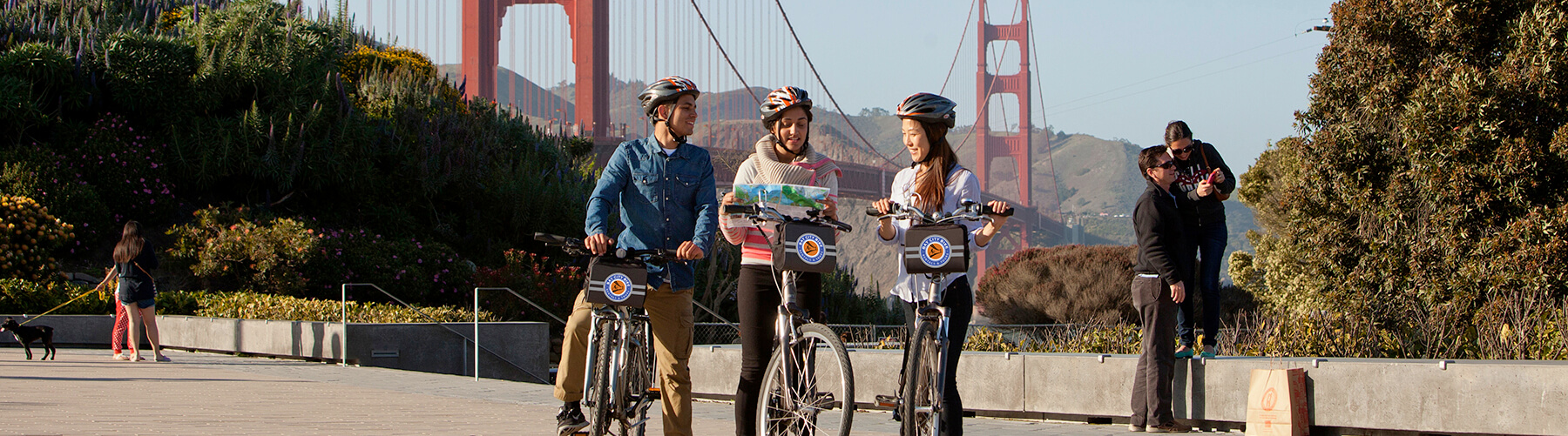
Many rental packages include printed maps highlighting popular cycling routes. These maps often mark major destinations, bike lanes, rest stops, and elevation changes. They are especially helpful for visitors who prefer offline navigation or want a quick visual overview of the city.
In addition to physical maps, digital navigation support is often provided. This can include QR codes linking to recommended routes or mobile-friendly guides that integrate with mapping apps. These tools often highlight safe cycling corridors, avoiding high-traffic streets where possible.
Common recommended routes usually include waterfront paths, park loops, and bridge-viewing areas. These routes are chosen for their bike-friendly infrastructure and scenic value.
Some rentals also offer pre-planned itineraries based on ride duration, such as one-hour scenic loops or half-day exploration routes. These suggestions help riders make the most of their time without needing to plan extensively.
Staff often provide verbal route recommendations during pickup, tailoring advice based on experience level, fitness, and interest.
Overall, navigation support is designed to make cycling accessible even for first-time visitors, ensuring they can explore confidently without worrying about getting lost or choosing unsafe roads.
Maintenance Support and On-the-Go Assistance
Mechanical Help and Emergency Ride Support
One of the most reassuring inclusions in a bike rental package is access to basic maintenance and support. Even though bikes are carefully inspected before each rental, unexpected issues can still occur during a ride, especially in a city with varied terrain.
Most rental services provide emergency assistance options, which may include phone support or on-call help if a rider experiences mechanical problems. Common issues like flat tires, loose chains, or gear shifting concerns can often be resolved quickly with guidance or replacement equipment.
In some cases, rentals include roadside assistance or bike replacement services within certain areas. If a bike cannot be repaired on the spot, riders may be able to exchange it for another unit at a designated location.
Basic repair kits are sometimes included for experienced riders. These kits may contain tire levers, mini pumps, and patch kits for minor fixes. However, many visitors prefer to rely on support services rather than perform repairs themselves.
Staff also provide preventive advice before the ride begins, such as how to avoid common issues like chain slipping or improper gear usage on hills. This helps reduce the likelihood of breakdowns during the ride.
Overall, maintenance support is designed to keep rides smooth and stress-free, ensuring that small mechanical issues do not interrupt the overall experience of exploring the city.
Add-Ons and Optional Equipment Enhancements
Child Seats, Cargo Options, and Comfort Upgrades
Beyond the standard bike setup, many rental packages include optional add-ons that enhance comfort, convenience, and accessibility. These features are especially useful for families, groups, or riders with specific needs.
One of the most common add-ons is a child seat, which allows younger passengers to safely ride along. These seats are typically rear-mounted, padded, and equipped with secure harness systems. They are designed for stability and comfort during short to medium rides.
For riders carrying personal items, front baskets or rear cargo racks are often available. These storage options make it easier to transport bags, jackets, or small picnic supplies without affecting balance or handling.
Trailer attachments are another option for families or groups. These can carry children or additional gear and are designed to remain stable even on uneven terrain.
Comfort upgrades may also include gel seat covers, upgraded saddles, or handlebar adjustments for long-distance riding. These small enhancements can make a noticeable difference during extended exploration routes.
Some rentals also offer phone mounts for easier navigation access while riding. This helps riders follow digital maps without needing to stop frequently.
Overall, add-ons transform a basic bike rental into a more personalized experience, allowing riders to tailor their setup based on their travel style and comfort preferences.
Guided Options vs. Self-Guided Riding Experience
What’s Included in Each Approach
Bike rentals in San Francisco generally offer two distinct ways to experience the city: self-guided riding and guided tours. Each approach shapes the journey in a different way, depending on how much structure or independence you prefer.
Self-guided rentals are the most widely chosen option. They provide everything needed for independent exploration, including the bike, helmet, basic safety gear, and often a map or digital route suggestions. Riders are free to design their own experience, whether that means cruising along the waterfront, exploring neighborhood streets, or taking scenic detours. This option works well for those who enjoy flexibility, spontaneous stops, and setting their own pace without being tied to a schedule.
Guided riding experiences offer a more structured alternative. These tours are led by experienced local guides who navigate pre-planned routes designed to highlight key scenic and cultural points. Along the way, riders receive commentary about landmarks, cycling tips, and insights into the city’s history and layout. Guided tours also reduce the need for navigation decisions, making them especially helpful for first-time visitors or those unfamiliar with the city’s terrain.
Both options typically include similar core equipment, but the experience differs significantly in execution. Self-guided riders rely on their own decision-making and route interpretation, while guided groups follow a set itinerary with built-in stops and pacing.
In the end, the choice comes down to travel style. Self-guided riding favors freedom and exploration, while guided tours prioritize structure, education, and ease. Neither option is better universally—it depends on whether you want to discover the city on your own terms or experience it through a curated, expert-led lens.
What’s Covered in Terms of Cost and Usage
Understanding how pricing works is an essential part of planning a bike rental experience in San Francisco. Most rental services are structured around flexible time-based options such as hourly, half-day, and full-day rates, allowing riders to choose a plan that matches their schedule and level of exploration. These pricing tiers are designed to be straightforward, with the core cost typically covering all essential equipment needed for a safe and comfortable ride.
Standard rental pricing generally includes the bicycle itself, a properly fitted helmet, a secure lock, and basic navigation materials such as maps or route suggestions. Some rental packages may also include optional coverage like damage protection or insurance upgrades, which provide added reassurance in case of accidental issues during the ride.
Time limits are clearly communicated at the start of the rental period. Riders are informed of return deadlines, and many providers offer the flexibility to extend the rental if the bike is available. Extensions are usually charged on an hourly basis, depending on demand and timing.
Rental policies also outline rider responsibilities, including safe operation of the bike, compliance with local traffic laws, and proper parking practices. Customers are generally expected to return the bike in the same condition it was issued.
In many cases, a refundable security deposit or credit card hold is required to ensure accountability. Late returns may incur additional fees, so it’s important to plan your route and timing carefully.
Overall, these pricing and policy structures are designed to remain transparent, predictable, and easy to understand, helping riders focus on enjoying their experience rather than worrying about hidden costs or complex terms.
FAQ
Do bike rentals include helmets?
Yes, helmets are almost always included and come in multiple sizes to ensure a proper fit for each rider.
Is a lock included with the rental?
Yes, most rentals include a secure lock to help protect the bike when parked in public areas.
Can I get a map or route guidance?
Yes, riders typically receive printed or digital maps along with recommended cycling routes.
What happens if the bike breaks down?
Most rentals offer basic support or replacement options if mechanical issues occur during the ride.
Are child seats available?
Yes, many rental providers offer child seats and other family-friendly add-ons upon request.
Can I choose between guided and self-guided rides?
Yes, both options are usually available depending on your preference for structure or independence.
Are electric bikes included in rentals?
Electric bikes are often available as a premium option with pedal assistance for easier riding on hills.
Conclusion
A bike rental in San Francisco is best understood as a complete mobility and sightseeing package rather than just a simple way to get around. It is carefully designed to help riders navigate a city known for its steep hills, scenic waterfront routes, and dense urban layout. Because of these unique conditions, rentals typically include far more than just a bicycle. Riders are provided with essential safety gear, navigation tools, and optional upgrades that enhance both comfort and convenience throughout the journey. Each inclusion is intended to make the riding experience smoother, safer, and more enjoyable, especially for visitors unfamiliar with the city’s terrain.
Understanding what is included in a rental allows riders to plan more effectively, choose the right equipment, and feel more confident before setting out. Whether exploring independently at your own pace or following a guided route, the rental package is structured to support a seamless cycling experience through one of the most dynamic and visually rewarding cities in the world.
Looking for the Best Bike Rental San Francisco Has to Offer?
Whether you’re visiting San Francisco for the first time or returning to explore even more of the city, choosing the right bike rental can make all the difference. Instead of spending your day stuck in traffic or trying to navigate crowded attractions on foot, you can experience the city’s famous waterfront, the Golden Gate Bridge, and countless neighborhoods at your own pace. With well-maintained bikes, flexible rental options, and expert local advice, Bay City Bike makes it easy to enjoy more of San Francisco with less stress.
Conveniently located in Fisherman’s Wharf where the bike path begins, Bay City Bike has helped visitors create unforgettable memories since 2001. Whether you’re looking for a classic bike rental in San Francisco, an electric bike for tackling the city’s famous hills, or recommendations for the best scenic routes, our friendly team is here to help. Reserve your San Francisco bike rental today and discover why so many visitors choose Bay City Bike as their starting point for an unforgettable ride across the Golden Gate Bridge and beyond.
Disclaimer
The information provided on this website is for general informational and educational purposes only. While we strive to keep our content accurate and up to date, biking conditions, traffic patterns, weather, trail access, ferry schedules, and local regulations can change without notice. Always use your own judgment and verify current conditions before planning your ride.
Cycling involves inherent risks. Riders are responsible for following all applicable traffic laws, wearing appropriate safety equipment, and riding within their abilities. Bay City Bike Rentals & Tours is not responsible for any loss, injury, damage, or inconvenience resulting from the use of the information on this website or from participation in any self-guided or guided cycling activities. If you have questions about your planned route, equipment, or riding experience, our team is happy to provide recommendations before your adventure begins.