What Should You Know Before Choosing a Bike Rental in San Francisco?
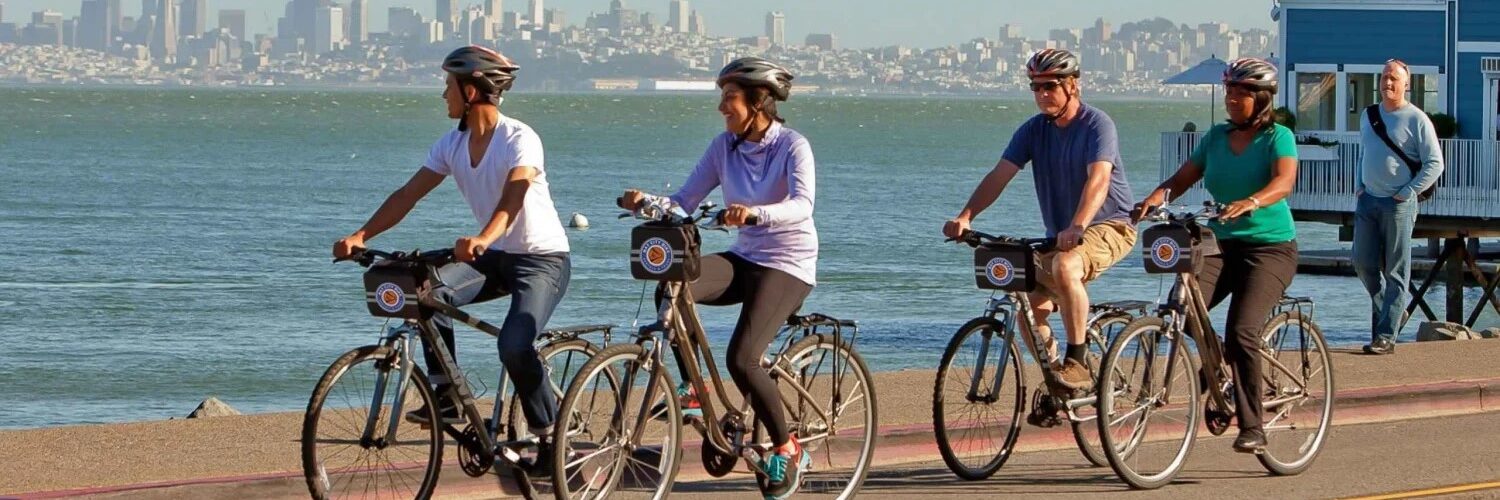
July 7, 2026San Francisco is one of the most bike-friendly and visually stunning cities in the United States. From riding across the Golden Gate Bridge to exploring waterfront paths and city neighborhoods, renting a bike allows visitors to experience the city at their own pace. However, not all bike rentals are created equal. The bike you choose, the rental duration, included services, and even the location of the rental shop can significantly impact your experience.
Many visitors focus only on rental price, assuming all bikes offer the same value. In reality, factors such as comfort, route suitability, bike quality, safety equipment, and customer support play a major role in determining whether your ride becomes a memorable adventure or a frustrating challenge.
Before selecting a bike rental in San Francisco, it helps to understand how local terrain, weather conditions, riding goals, and rental policies can affect your decision. Some riders plan a casual ride through Golden Gate Park, while others want to tackle the hills or spend an entire day exploring the waterfront and bridge routes. The best rental option depends on your specific plans rather than simply choosing the lowest price available.
This guide covers the most important considerations before renting a bike in San Francisco. By understanding your needs, comparing bike types, evaluating rental services, reviewing safety features, and examining pricing structures, you can make an informed decision that leads to a more enjoyable and stress-free cycling experience.
 Key Takeaways
- Define your riding goals before choosing a rental bike, as different routes and attractions require different types of bicycles.
- Consider San Francisco’s hills when selecting a bike; electric bikes can make longer rides and steep climbs much easier.
- Hybrid bikes are ideal for most tourists because they offer a balance of comfort, stability, and versatility.
- Inspect the bike’s condition before riding, including brakes, gears, tires, and overall fit.
- A properly fitted bike improves comfort, safety, and riding efficiency during longer trips.
- Look beyond the rental price and evaluate what is included, such as helmets, locks, maps, and route recommendations.
- Compare hourly and daily rental rates to determine the best value based on your planned ride duration.
- Review rental policies regarding deposits, identification requirements, cancellations, and weather-related changes.
- Familiarize yourself with local cycling rules and bike lane etiquette before starting your ride.
- Dress in layers and prepare for changing weather conditions, especially near the waterfront and the Golden Gate Bridge.
- Route planning is essential to avoid unexpected hills and ensure a more enjoyable cycling experience.
- Choosing a reputable rental provider with well-maintained equipment can significantly improve your overall experience.
Understand Your Riding Goals Before Renting
Choosing a bike starts with understanding what kind of ride you plan to take. San Francisco offers a wide variety of cycling experiences, and the ideal bike for one route may not be the best choice for another.
Consider Your Planned Route
The route you intend to ride should heavily influence your rental decision. Waterfront trails, Golden Gate Park paths, and the Golden Gate Bridge approach are generally suitable for most riders. These routes often feature smoother terrain and manageable inclines.
However, exploring neighborhoods such as Nob Hill, Russian Hill, or Pacific Heights introduces steep climbs that can quickly become challenging on a standard bicycle. Riders planning to tackle these areas may benefit from an electric bike that provides pedal assistance.
Think about whether your ride will remain on dedicated bike paths or involve city streets. Longer urban routes may require a bike designed for efficiency and comfort over several hours.
Determine Your Ride Duration
A two-hour sightseeing ride requires different considerations than a full-day cycling adventure. Short rides may prioritize convenience and affordability, while longer rides demand comfort and reliability.
If you expect to spend several hours in the saddle, look for features such as ergonomic seating, adjustable handlebars, and multiple gear options. These elements become increasingly important as ride duration increases.
Match the Bike to Your Experience Level
Beginners often enjoy hybrid bikes because they offer stable handling and a comfortable riding position. Experienced cyclists may prefer road bikes for speed and performance.
Being realistic about your fitness level and riding experience helps ensure you choose a bike that enhances rather than complicates your experience. The goal is to enjoy the city, not struggle unnecessarily with equipment that doesn’t match your needs.
Compare the Different Types of Rental Bikes Available
Bike rental shops in San Francisco typically offer several categories of bicycles. Understanding their differences can help you select the most suitable option.
Hybrid Bikes
Hybrid bikes are among the most popular rental choices because they balance comfort and versatility. They feature upright riding positions, medium-width tires, and gearing suitable for a variety of terrain.
These bikes work well for tourists exploring major attractions, waterfront routes, and city neighborhoods with moderate elevation changes. Their comfortable design makes them ideal for casual riders.
Electric Bikes
Electric bikes have become increasingly popular in San Francisco due to the city’s famous hills. Pedal-assist motors reduce physical effort and make longer rides more accessible.
Riders who want to maximize sightseeing opportunities without becoming exhausted often find e-bikes particularly appealing. They allow users to cover greater distances while still enjoying the outdoor experience.
Although electric bikes typically cost more than standard bicycles, many visitors consider the additional convenience worthwhile, especially for full-day rentals.
Road Bikes and Specialty Bikes
Road bikes are designed for speed and efficiency. Their lightweight frames and narrow tires make them suitable for experienced cyclists seeking longer-distance rides.
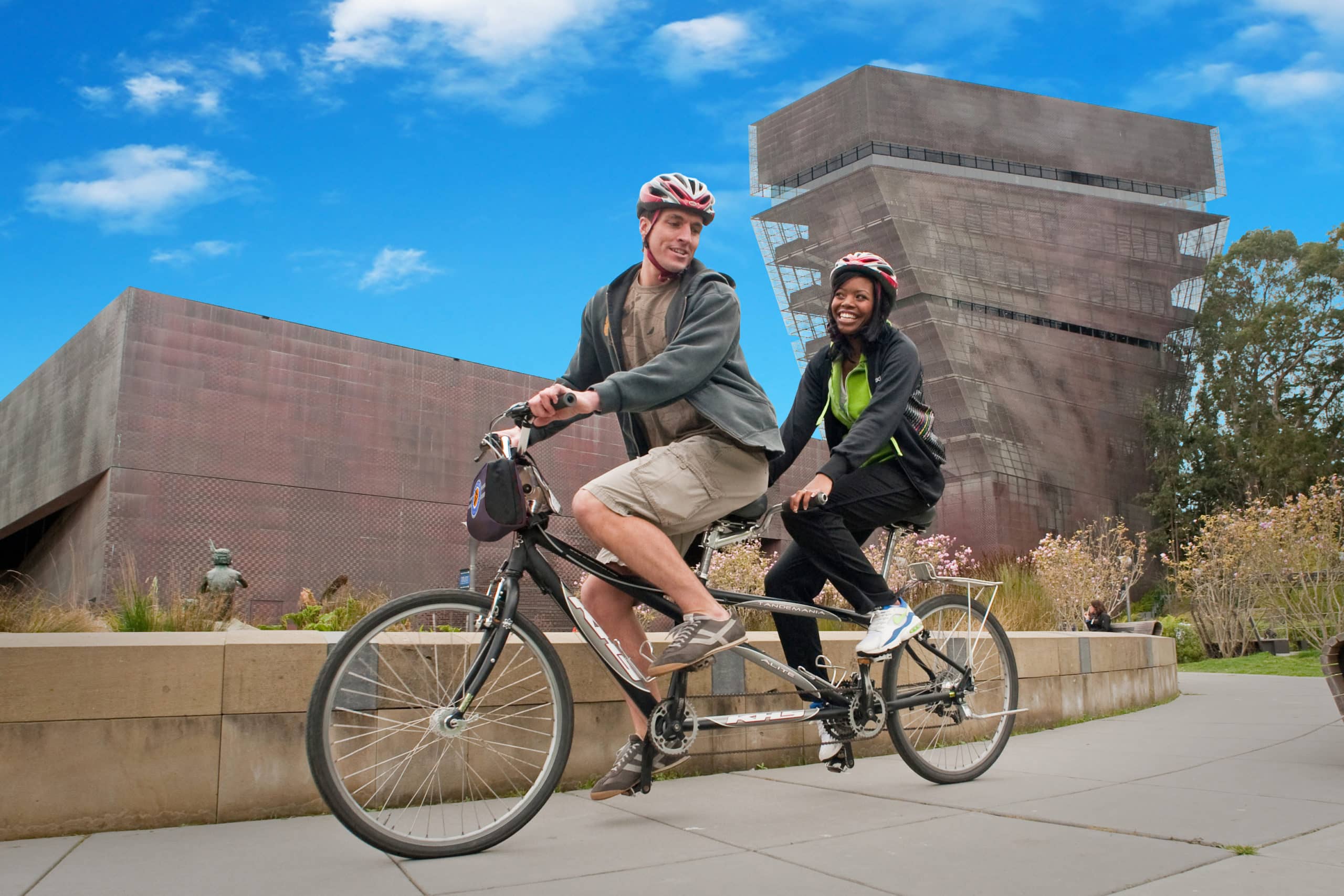
Some rental providers also offer specialty options such as tandem bikes, children’s bikes, cargo bikes, and family-oriented equipment. These alternatives may be useful for specific travel groups or riding goals.
Understanding the strengths and limitations of each bike type ensures you select equipment that aligns with your plans rather than forcing your plans to adapt to the equipment.
 Evaluate Bike Quality and Maintenance Standards
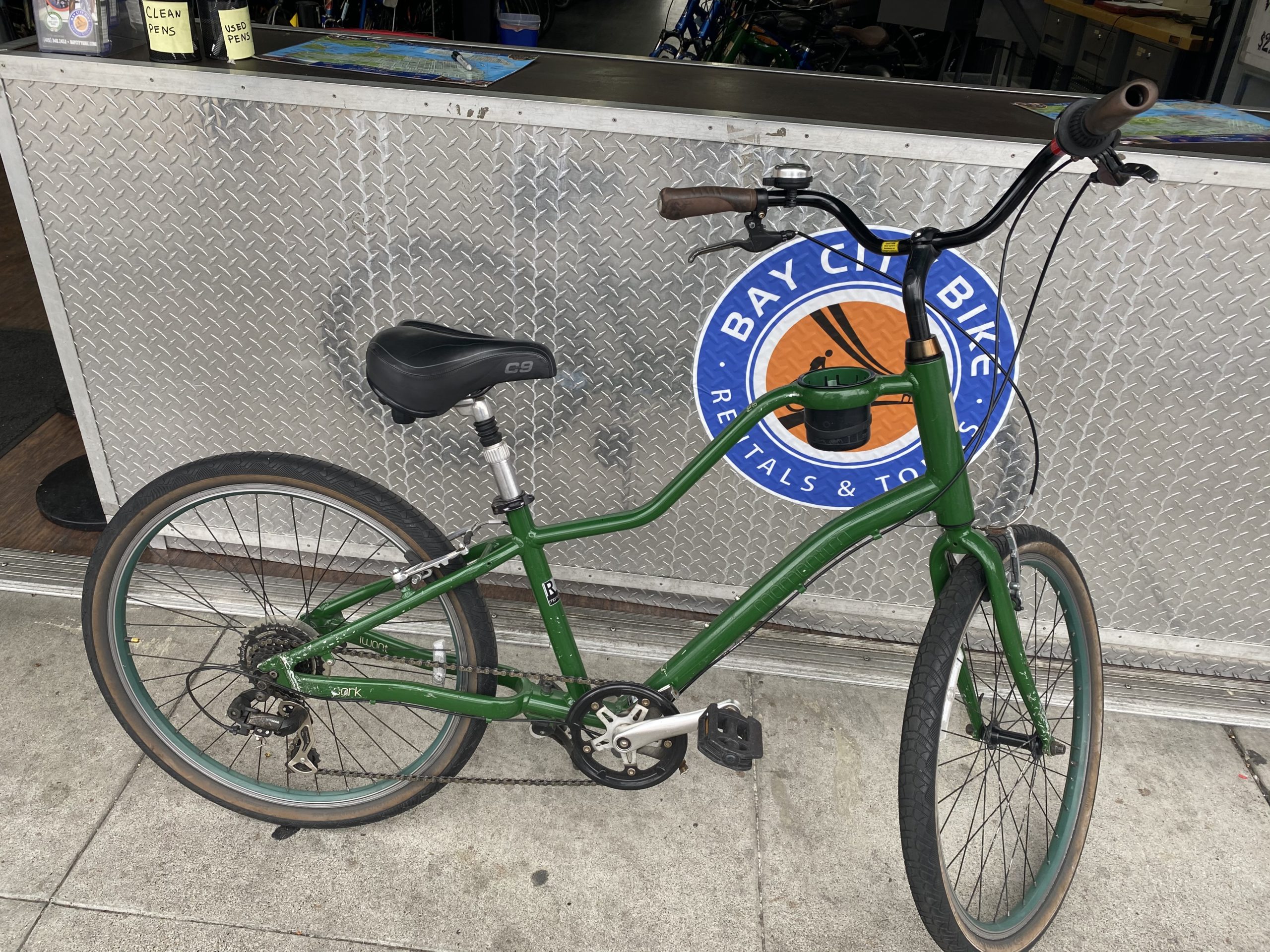
The condition of the bicycle can significantly affect your overall experience. Even the perfect bike type may disappoint if it has not been properly maintained.
Check for Signs of Regular Maintenance
A well-maintained bike should feel smooth and responsive. Brakes should engage effectively, gears should shift cleanly, and tires should be properly inflated.
Before beginning your ride, inspect the bike carefully. Test the brakes, shift through the gears, and verify that the seat and handlebars can be adjusted securely.
Rental companies that prioritize maintenance often perform routine inspections and repairs to ensure their fleets remain reliable.
Ask About Fleet Age and Upgrades
Modern bicycles often provide improved comfort, safety, and performance compared to older models. Asking about the age of the rental fleet can provide insight into the overall quality of the equipment.
Shops that regularly update their inventory demonstrate a commitment to customer satisfaction and rider safety.
Ensure Proper Bike Fitting
Even a high-quality bicycle can become uncomfortable if it doesn’t fit properly. Staff should help adjust the seat height and handlebar position based on your body measurements.
A proper fit improves efficiency, comfort, and control while reducing fatigue during longer rides. Taking a few extra minutes to ensure the bike is adjusted correctly can make a significant difference throughout the day.
Review What Is Included With the Rental
The rental price often covers more than just the bicycle itself. Included accessories and services can add substantial value to your experience.
Safety Equipment
Helmets should be considered essential regardless of your riding experience. Most reputable rental providers include helmets at no additional charge.
Some locations also provide reflective gear, safety lights, and bells that improve visibility and awareness while riding through busy areas.
These accessories contribute to a safer and more comfortable experience throughout your ride.
Maps and Route Assistance
Visitors unfamiliar with San Francisco can benefit greatly from route guidance. Many rental shops provide printed maps, suggested itineraries, or digital navigation resources.
Local recommendations can help riders discover scenic routes, avoid unnecessary hills, and locate attractions that align with their interests.
Expert guidance often saves time and helps maximize the value of the rental experience.
Locks and Security Accessories
A secure bike lock is essential if you plan to stop for meals, sightseeing, or shopping. Most rental providers include locks as part of the package.
Confirm what security equipment is included and ask for guidance regarding safe parking locations throughout the city. Proper bike security helps prevent unnecessary stress during your visit.
Understand Pricing, Rental Terms, and Policies
Rental pricing in San Francisco can vary widely depending on the type of bike you choose, how long you rent it, and what’s included in the package. Standard bikes, e-bikes, and premium models each come with different price points, and additional services like helmets, locks, maps, or guided route suggestions can also influence the final cost. Taking a moment to understand the full pricing structure before you book helps you avoid unexpected fees and ensures you’re comparing options fairly.
Hourly vs. Daily Rentals
Hourly rentals may look like the most budget-friendly option at first glance, especially for quick rides along the waterfront or short neighborhood loops. However, time tends to pass quickly when you’re exploring scenic routes like the Golden Gate Bridge or Golden Gate Park. If your ride extends beyond a few hours, hourly rates can add up faster than expected.
Daily rentals are often the better value for visitors planning a full-day experience. They give you the freedom to stop frequently, take detours, and explore without constantly watching the clock. Before choosing, estimate how long you realistically plan to ride, including breaks, photo stops, and return time.
Deposit and Identification Requirements
Most rental providers require a valid government-issued ID and a credit card at the time of booking or pickup. Some may place a temporary hold or deposit as a security measure against damage, loss, or late returns. These holds are typically released after the bike is returned in good condition, but the timing can vary by provider.
It’s helpful to ask in advance about deposit amounts, accepted payment methods, and any possible extra charges so there are no surprises at checkout.
 Cancellation and Weather Policies
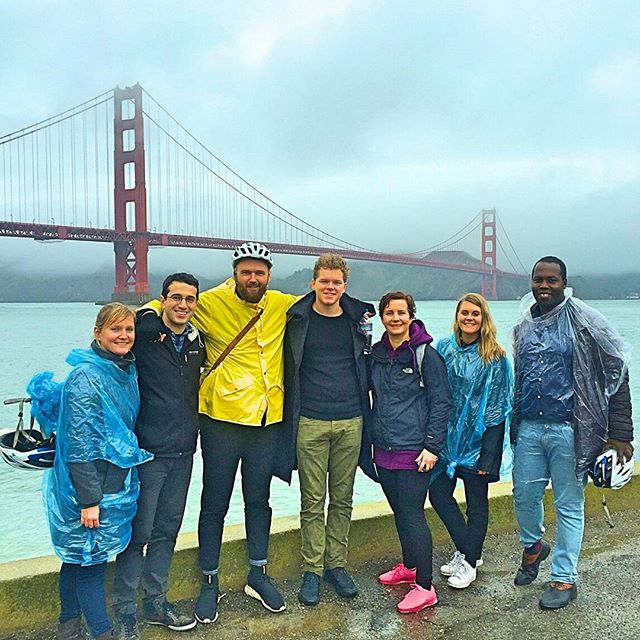
San Francisco’s weather can shift quickly, with fog, wind, or sudden rain affecting riding conditions. Because of this, flexible cancellation and rescheduling policies can make a big difference in your overall experience.
Always review the rental company’s terms regarding cancellations, weather-related changes, and refunds. Knowing your options ahead of time allows you to adjust your plans smoothly without unnecessary stress if conditions change.
Prioritize Safety and Local Riding Knowledge
A safe ride requires more than simply renting a bicycle. Understanding local conditions and traffic patterns helps create a smoother experience.
Learn Basic Local Cycling Rules
San Francisco has extensive bike infrastructure, but riders still share roads with vehicles and pedestrians. Familiarizing yourself with local cycling regulations promotes safer interactions with others.
Obey traffic signals, use designated bike lanes when available, and communicate turns clearly through hand signals.
Prepare for Changing Weather Conditions
San Francisco’s microclimates can create significant temperature variations throughout the day. Areas near the waterfront may feel dramatically cooler than inland neighborhoods.
Dress in layers so you can adapt to changing conditions. Lightweight jackets and wind-resistant outerwear are often useful additions.
Plan for Hills and Terrain Changes
Many first-time visitors underestimate the city’s elevation changes. Even routes that appear manageable on a map can include steep sections.
Review route profiles beforehand and choose equipment that matches the expected terrain. Electric bikes may provide a more enjoyable experience for riders concerned about hills.
By combining proper planning, quality equipment, and local knowledge, you can confidently select a bike rental that enhances your San Francisco adventure and helps you make the most of every mile.
Conclusion
Choosing the right bike rental in San Francisco involves much more than comparing prices. The city’s unique combination of scenic waterfront routes, iconic landmarks, diverse neighborhoods, and challenging hills means that selecting the right bike can have a major impact on your overall experience. Taking the time to evaluate your riding goals, preferred routes, fitness level, and expected ride duration will help you find a bicycle that matches your needs and enhances your adventure.
It’s equally important to consider the quality of the rental equipment, available safety features, and included accessories. A well-maintained bike, properly fitted to your body and equipped with essentials like a helmet and lock, can make your ride safer, more comfortable, and more enjoyable. Understanding rental policies, pricing structures, and weather considerations can also help you avoid unexpected issues and get the most value from your rental.
Whether you’re planning a leisurely ride through Golden Gate Park, a memorable trip across the Golden Gate Bridge, or a full day exploring the city’s famous neighborhoods, the right bike rental can transform your visit. By doing a little research beforehand and choosing a rental provider that prioritizes quality, safety, and customer support, you’ll be well-prepared to enjoy one of the best ways to experience San Francisco—on two wheels.
FAQ
1. What is the best type of bike rental for San Francisco?
For most visitors, a hybrid bike or an electric bike works best. Hybrid bikes offer comfort and stability for mixed terrain, while electric bikes help with San Francisco’s steep hills and longer sightseeing routes.
2. Is it worth renting an e-bike in San Francisco?
Yes, especially if you plan to ride across areas with steep climbs like Nob Hill or Russian Hill, or if you want to comfortably reach the Golden Gate Bridge and nearby waterfront areas without getting too tired.
3. How much does it cost to rent a bike in San Francisco?
Prices typically range from about $20–$55 per day for standard bikes and $80–$120+ for electric bikes. Costs vary based on bike type, rental duration, and included services like helmets or locks.
4. Can beginners ride bikes in San Francisco?
Yes. Many beginners choose flat, scenic routes such as the Golden Gate Park or waterfront bike paths. These areas are more forgiving than the city’s steep residential streets.
5. What should I check before riding a rental bike?
Inspect the brakes, gears, tire pressure, seat adjustment, and overall comfort. A properly fitted bike improves both safety and endurance, especially for longer rides around the city.
6. Are helmets included with bike rentals?
Most reputable rental shops include helmets at no extra cost. Some also provide safety lights, locks, and route maps to help you navigate the city safely.
7. Do I need to plan my route before renting a bike?
Yes, route planning is highly recommended. San Francisco’s hills can be challenging, so knowing your route in advance helps you choose the right bike and avoid unexpected climbs.
8. Is it better to rent by the hour or by the day?
If you’re planning a short ride (1–3 hours), hourly rentals may be enough. For sightseeing trips to places like the Golden Gate Bridge or multiple neighborhoods, a full-day rental is usually better value.
9. What are the main safety tips for biking in San Francisco?
Follow traffic rules, use bike lanes when available, signal turns clearly, and stay alert in mixed traffic areas. Weather can change quickly, so dressing in layers is also important.
10. What happens if the weather changes during my ride?
San Francisco weather can shift quickly, especially near the coast. Many rental shops offer flexible cancellation or rescheduling policies, so it’s best to check terms before booking.
Looking for the Best Bike Rental San Francisco Has to Offer?
Whether you’re visiting San Francisco for the first time or returning to explore even more of the city, choosing the right bike rental can make all the difference. Instead of spending your day stuck in traffic or trying to navigate crowded attractions on foot, you can experience the city’s famous waterfront, the Golden Gate Bridge, and countless neighborhoods at your own pace. With well-maintained bikes, flexible rental options, and expert local advice, Bay City Bike makes it easy to enjoy more of San Francisco with less stress.
Conveniently located in Fisherman’s Wharf where the bike path begins, Bay City Bike has helped visitors create unforgettable memories since 2001. Whether you’re looking for a classic bike rental in San Francisco, an electric bike for tackling the city’s famous hills, or recommendations for the best scenic routes, our friendly team is here to help. Reserve your San Francisco bike rental today and discover why so many visitors choose Bay City Bike as their starting point for an unforgettable ride across the Golden Gate Bridge and beyond.
Disclaimer
The information provided on this website is for general informational and educational purposes only. While we strive to keep our content accurate and up to date, biking conditions, traffic patterns, weather, trail access, ferry schedules, and local regulations can change without notice. Always use your own judgment and verify current conditions before planning your ride.
Cycling involves inherent risks. Riders are responsible for following all applicable traffic laws, wearing appropriate safety equipment, and riding within their abilities. Bay City Bike Rentals & Tours is not responsible for any loss, injury, damage, or inconvenience resulting from the use of the information on this website or from participation in any self-guided or guided cycling activities. If you have questions about your planned route, equipment, or riding experience, our team is happy to provide recommendations before your adventure begins.